Archive for the ‘Selling Your Music’ Category
Thursday, July 23rd, 2026
Remember to order plenty of CD stock for the Festival Season.
Our recommendation is our Colour Card Wallet with Colour Cd which is such good value, high quality, easily transportable and will give you a good profit margin.
Take a look here and see the specification and price :
https://www.duplicationcentre.co.uk/prices.html
As always, if you need any advice or help call us on 01702 530354 or email :
martin@duplicationcentre.co.uk
and we will be very happy to help you.
Tags: advice, CD Duplication, Helpful HInts, live music, merchandise
Posted in advice, cd/dvd duplication, cd/dvd replication, general information, helping you, merchandise, Selling Your Music | Comments Off on Festival Season: July /August 2026
Monday, October 9th, 2023
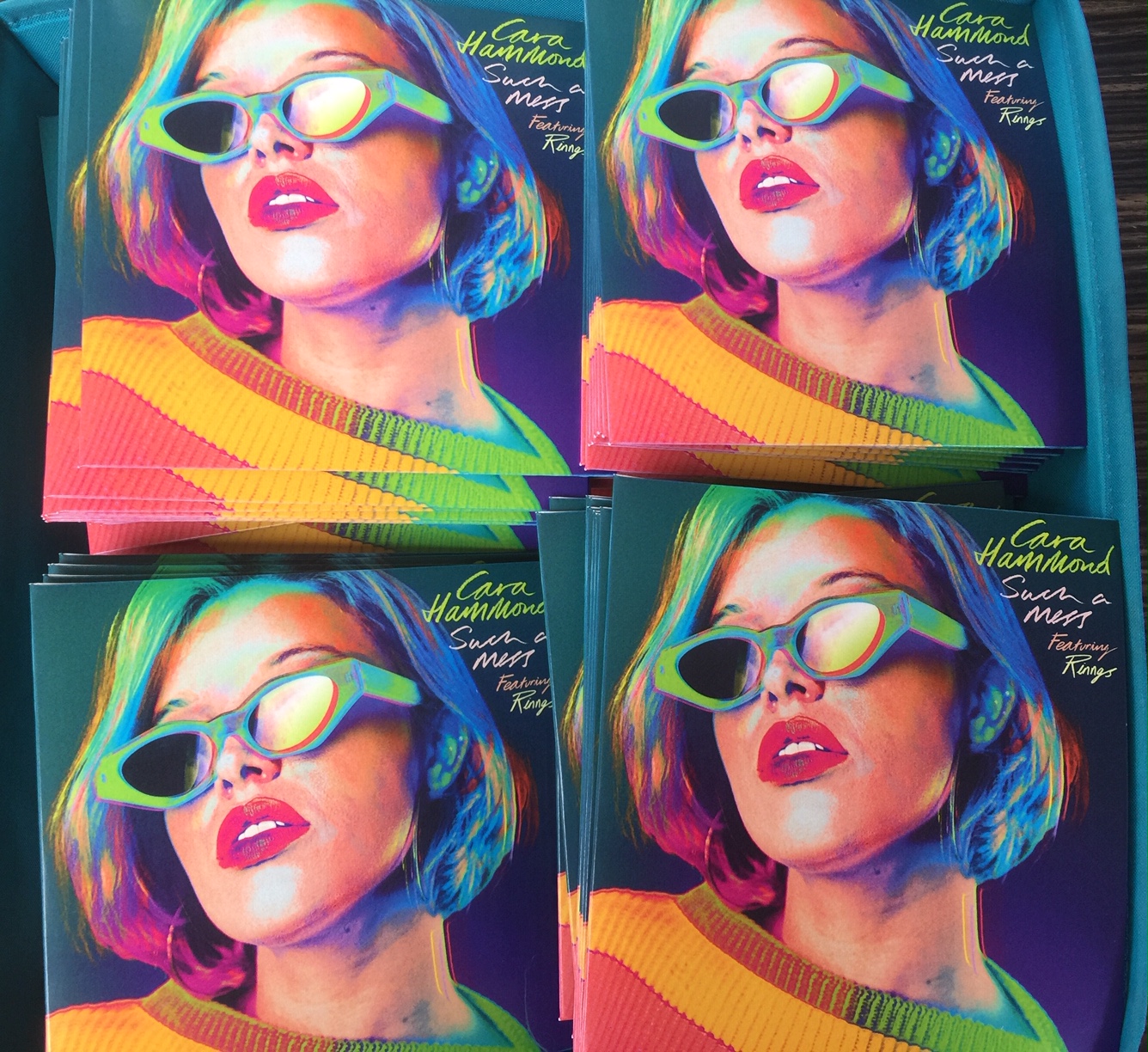
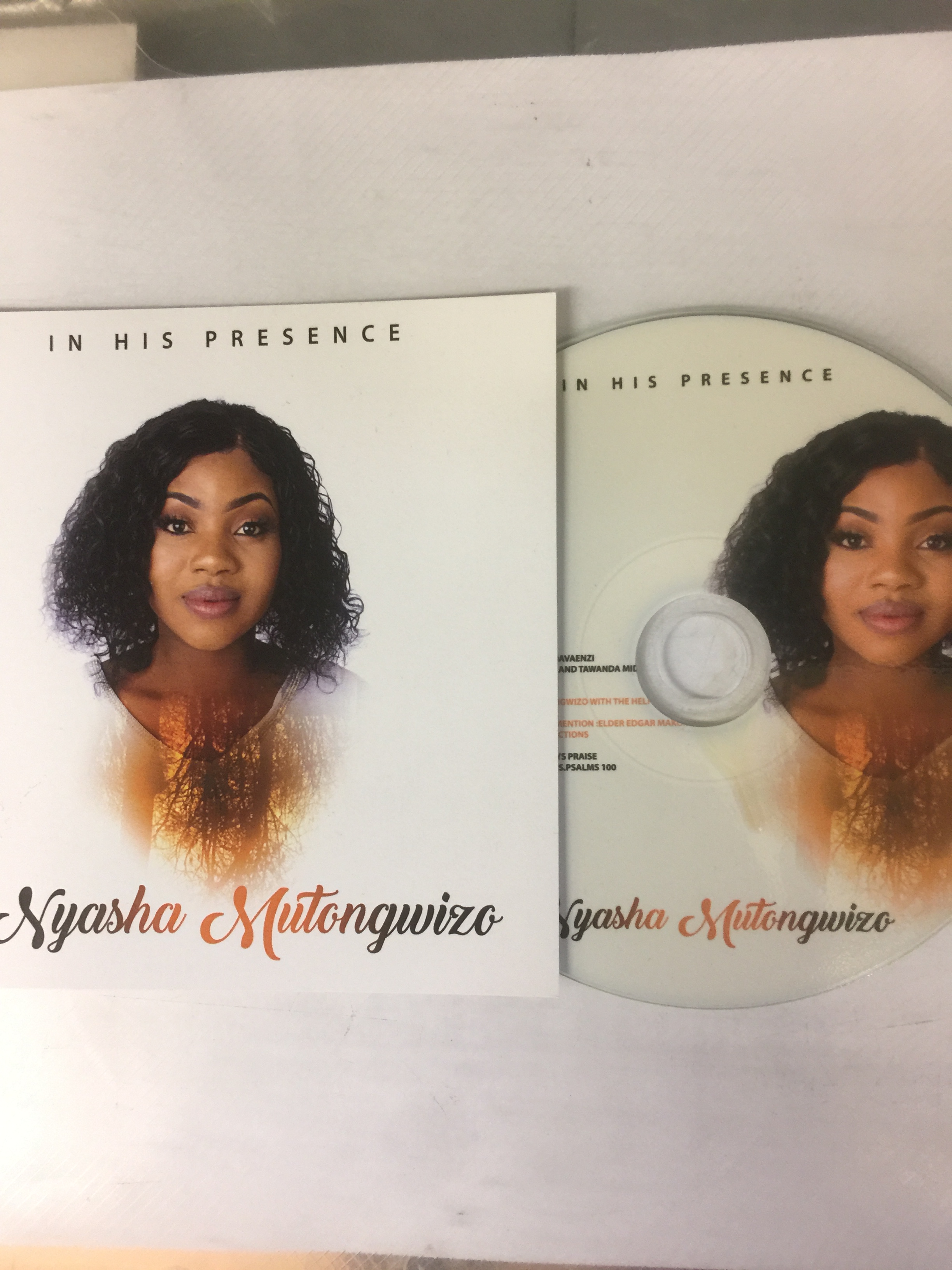
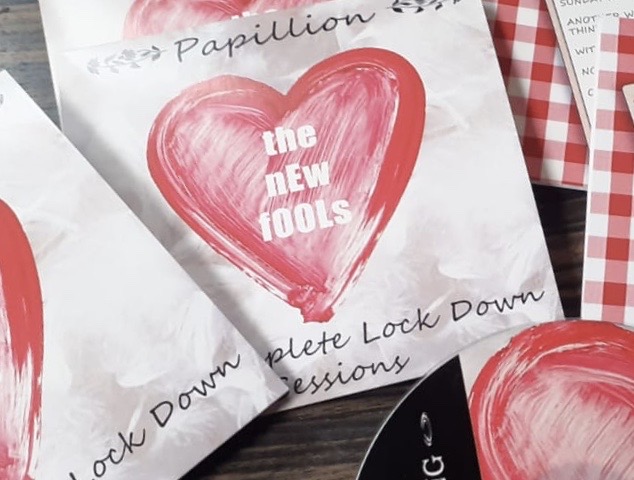
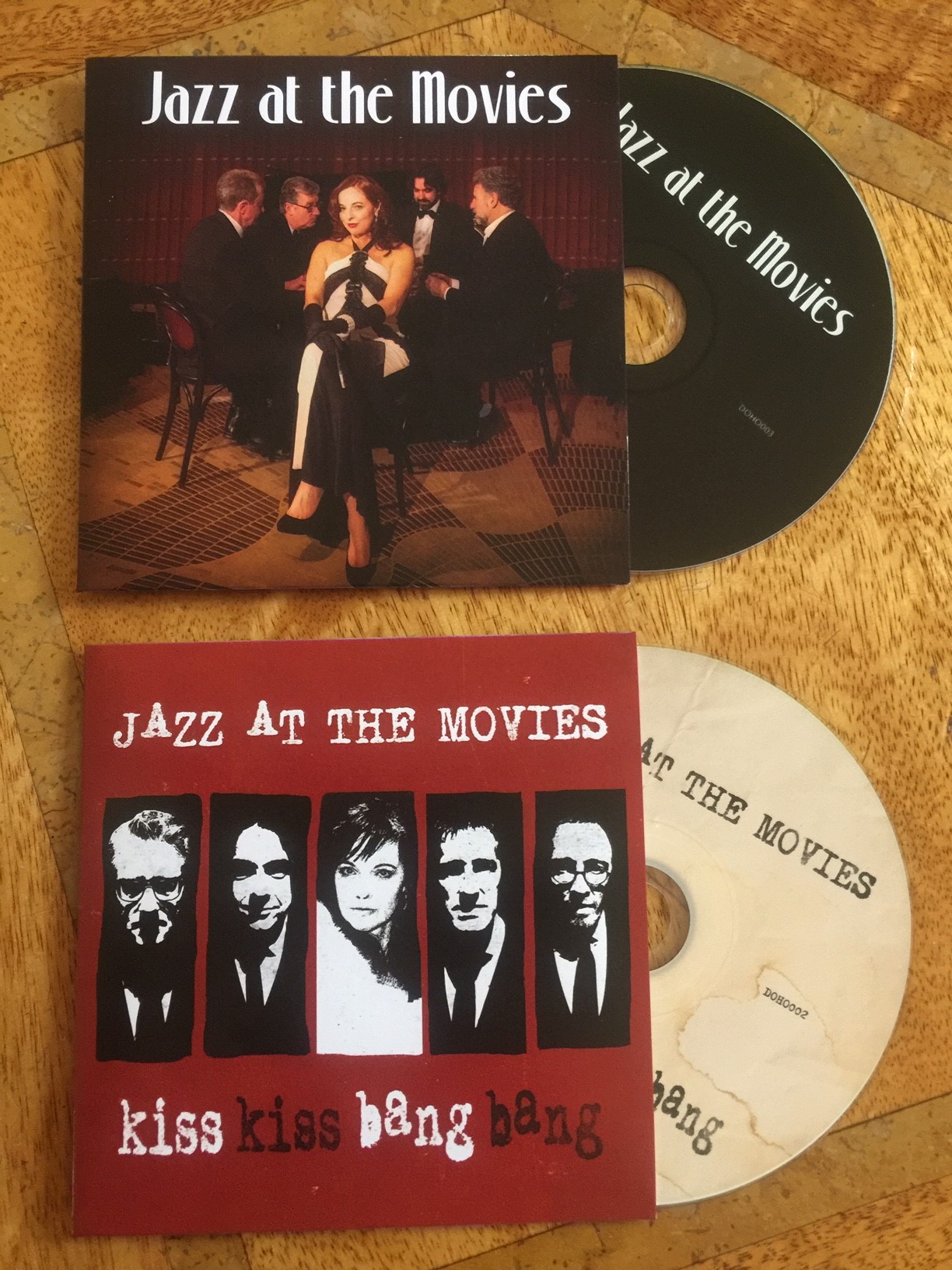
Check out our Single Card Wallet Eco-Friendly Option for your merchandise table.
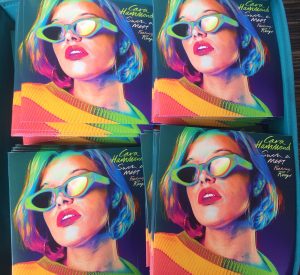
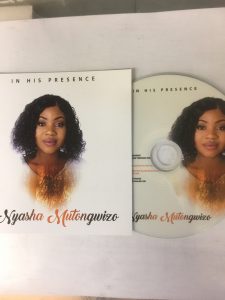
These high quality 350 gsm card house your CD or DVD very snugly, and allow your fans to purchase a great memory to take home. Printed in high resolution colour they allow you to get creative with your artwork and personally sign for your fans if you wish to .
The template is nice and straightforward and free to download from the artwork section of the Website.
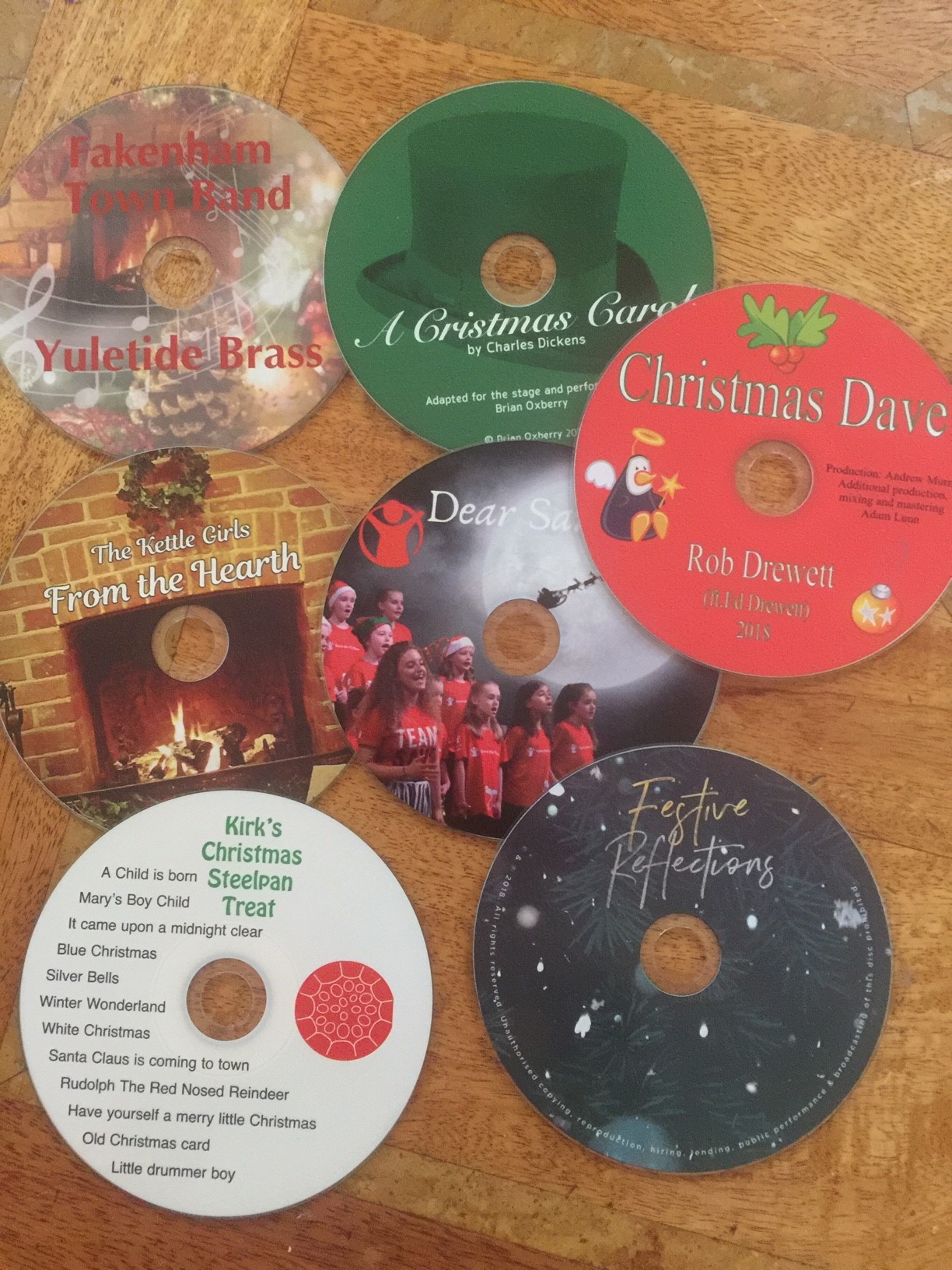
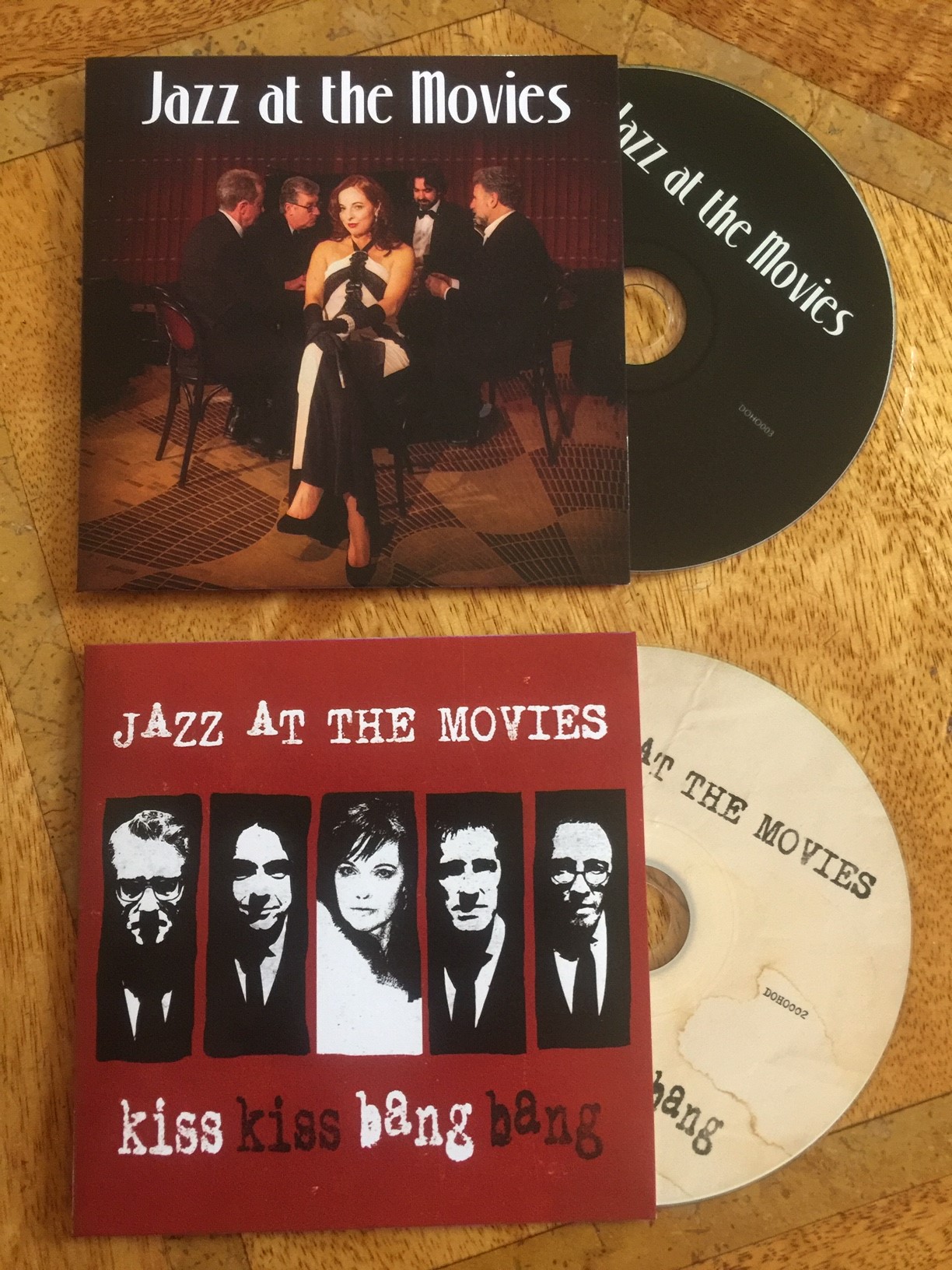
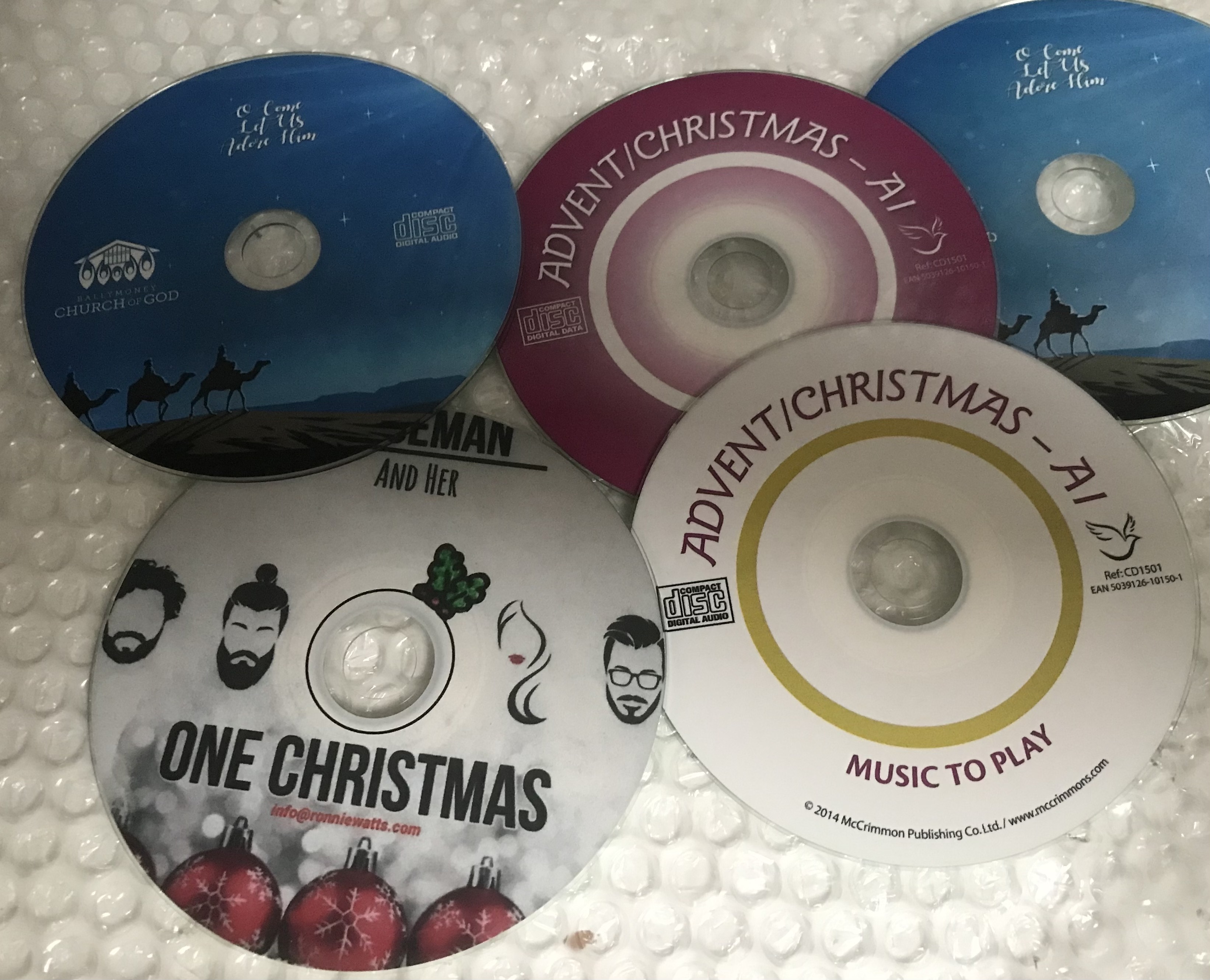
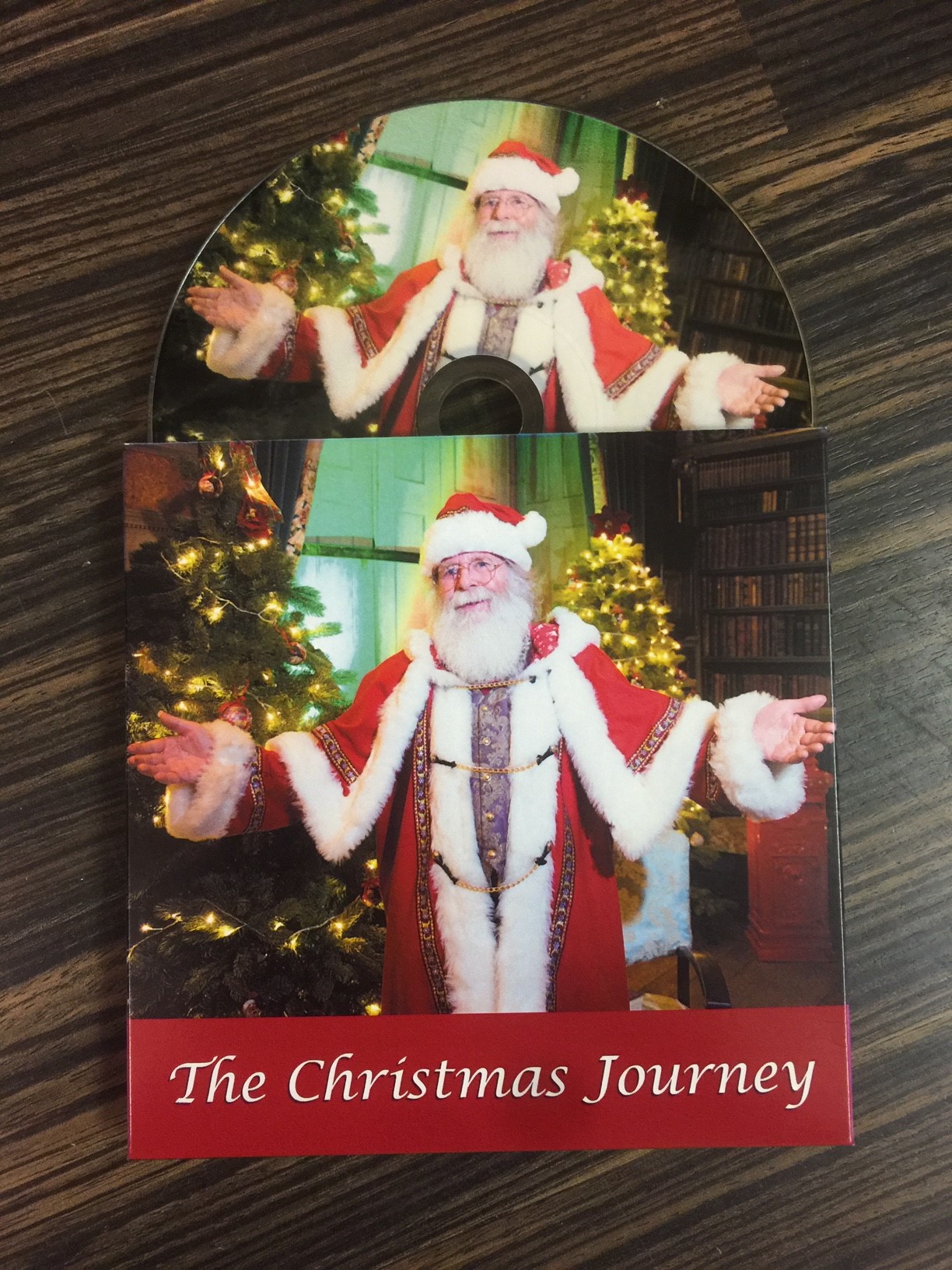
Every day we see incredible artwork coming through for printing ….there’s a few inspirational examples below.

Tags: advice, CD Duplication, customers, design, DVD Artwork, DVD Duplication, eco friendly, merchandise
Posted in Artwork, Customers, Duplication, Eco-friendly, general information, helping you, Make some money, merchandise, printing, Selling Your Music | Comments Off on Amazing Value Card Wallets: 10th October 2023
Thursday, March 2nd, 2023
What better way to give your fans something to remember a special gig, than to sell them an EP or Full Album of your songs.
Our single card wallets are a really good option for the packaging, as they are professional quality but very inexpensive for you to buy from us.
You can easily sell these on for £5 …or £10 and get a great margin.
Even if your fans don’t have a cd player, they will love to buy a signed cd, to support you and have the memory of a great night.
With bespoke artwork that you design, our single card wallets are printed on 350gsm FSC Certified and sustainable silk finish card.
We have an artwork creation tool you can download to help you.
Everything you need is in our artwork section:
https://www.duplicationcentre.co.uk/artwork.html
If you have any questions please email una@duplicationcentre.co.uk, and i’ll be very happy to help you .
Tags: advice, artwork, CD Duplication, Design Tips, Helpful HInts, live music, merchandise, selling
Posted in advice, Artwork, Customers, Design, general information, helping you, live music, Make some money, merchandise, music, Selling Your Music | Comments Off on Make Money with Merchandise : 2nd March 2023
Wednesday, February 1st, 2023
Merchandise sales are one of the best ways to help boost your funds.
Fans will happily buy your cd’s ( even if they have already downloaded it ) just to get a signature and a momento of a great night.
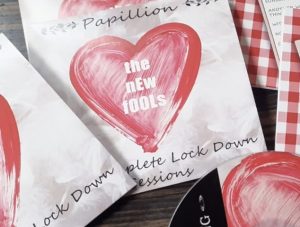
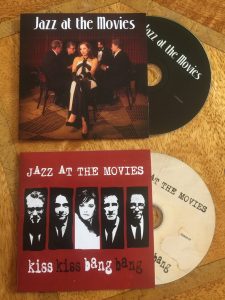
Our single card wallets with colour print,packed with your B&W or Colour Print CD, are amazing value and allow you to sell them at a really affordable price to your fans.
Have a look for the full spec of these wallets in our instant prices. Just hover your mouse over the image of the single card wallet.
Tags: advice, CD Duplication, DVD Duplication, Helpful HInts, live music, merchandise, selling
Posted in advice, general information, Helping You Decide, live music, Make some money, merchandise, music, prices, Secrets to selling, Selling Your Music | Comments Off on Selling your CDs: February 1st 2023
Thursday, November 10th, 2022
Merchandise is such an important way for you to give your fans something to take home after a gig.
It thankfully also gives you a way to make a little extra money.
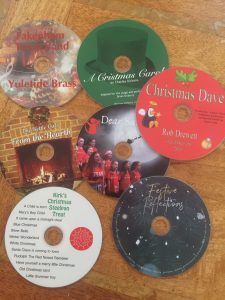
It really isn’t too early to think about getting stocked up for sales of your CD’s and DVD’s at gigs, in the run up to Christmas.
If you need any help or advice with any aspect of ordering or the preparation of your artwork and content give us a call, email or come on to live chat.
Our phones come direct to us here in the office and production room so you can speak to someone who knows our processes and will really be able to assist you . Call us on 01702 530354 or email : una@duplicationcentre.co.uk
We will be very happy to help and advise you.
Tags: advice, CD Duplication, duplication, DVD Duplication, Helpful HInts, live music, merchandise, selling
Posted in christmas products, Customers, general information, live music, Make some money, Selling Your Music | Comments Off on Merchandise for Christmas:10th November 2022
Friday, September 23rd, 2022
It is certainly the case that when you have been to a live music venue,you would be likely to buy a CD or DVD if you have enjoyed the gig or concert.
It gives you a good memory of a great day or night out.
For a great merchandise option have a look at our CD Colour Card Wallets. They are amazing quality, low price and excellent professional product for you to sell .
You can get an instant price here:
https://www.duplicationcentre.co.uk/prices.html
Or if you would like some advice just call us on 01702-530354 or email: una@duplicationcentre.co.uk and we will be very happy to help you.
Tags: advice, CD Duplication, DVD Duplication, live music, merchandise, Music, publish, selling
Posted in advice, Artwork, christmas products, Eco-friendly, general information, helping you, live music, music, Selling Your Music | Comments Off on Merchandise: 23rd September 2022
Wednesday, August 10th, 2022
We have lots of customers playing at festivals and taking merchandise with them to sell.
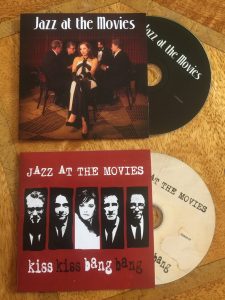
Have a look at our Colour Card Wallets as a brilliant option for this; they are very eco-friendly and good size to transport with you.
Most of all they are a lovely low price for you to be able to sell them on at a good price, and still make a tidy profit.
The template for your art is very straight forward and available to download in PDF or Photoshop here:
https://www.duplicationcentre.co.uk/artwork.html
If you need any advice or help just drop me an email:
una@duplicationcentre.co.uk
Tags: advice, artwork, CD Duplication, customers, DVD Duplication, eco friendly, Helpful HInts, selling
Posted in advice, Artwork, general information, Helping You Decide, Make some money, prices, Secrets to selling, Selling Your Music | Comments Off on Live Music: 10th August 2022
Monday, May 9th, 2022
Just to let you know that despite rising costs from most of our wholesalers, we are keeping the prices we charge you, the same as 2021!
We want you to be able to make some money from the sale of your CD’s, DVD’s and Blu-Ray and the best way we can help with that is by not passing the price increase on to you. So we have kept our prices the same as last year.
Check out the pricing on all our products and you can also be assured that you will receive high quality, fully professional standard products, to sell to your customers.
If you need any help or advice just call us on 01702 530354 , live chat from the website or email me :
una@duplicationcentre.co.uk.
We will be very happy to help you.
Tags: advice, CD Duplication, DVD Duplication, help, live music, packaging, selling
Posted in advice, Customers, helping you, Make some money, Selling Your Music, special offers | Comments Off on Our Prices: 9th May 2022
Thursday, April 7th, 2022
We are finding that more and more, selling your CD’s in hard copy at live venues and gigs of any kind, is a vital source of income for artists.
For musicians it is usually just audio CD that they sell, but an idea worth considering is a live DVD as well.
Not many bands sell DVDs at music gigs and would be a very different and exciting piece of merchandise.
You can have a DVD in a single card wallet …just like a CD…so it is no more expensive to produce here..just few pence more for the disc.
You can get an instant price here:
https://www.duplicationcentre.co.uk/prices.html
Or you can call and chat to us for help and advice on 01702 530354.
We look forward to speaking to you.

Tags: advice, CD Duplication, DVD, DVD Duplication, Helpful HInts, live music, Music, selling
Posted in advice, Customers, general information, helping you, live music, Make some money, music, Secrets to selling, Selling Your Music | Comments Off on Selling Your CD’s and DVD’s: 7th April 2022
Saturday, November 13th, 2021
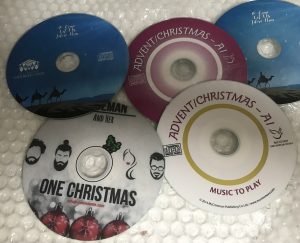
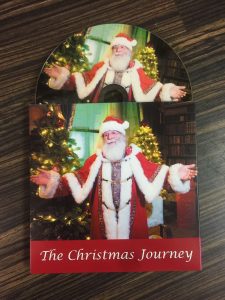
Don’t forget that you can make good sales leading up to Christmas by selling Hard Copy CD & DVD merchandise.
We are already producing lots of orders with Christmas vibes!
Give us a call to chat about how you can turn around a beautiful Christmas EP, Album or DVD.
Tags: advice, CD Duplication, charity, christmas, DVD Duplication, Helpful HInts, selling
Posted in christmas products, Customers, helping you, Make some money, Selling Your Music | Comments Off on Christmas CD & DVD Sales: 13th November 2021