Archive for the ‘The Environment’ Category
Tuesday, May 14th, 2024
Just to remind you on this rainy spring day, that we can do posters, leaflets/flyers , maps, business cards, menus anything you need to be waterproof we can print!!
We have two thicknesses of paper 170 and 350 gsm and can go up to A3 print size.
We have a special offer on our check out of 4 x A3 350gsm Posters for £20 plus vat.
If you order these we will send you a template for your design and dispatch the posters to you , with your order.
You can of course order waterproof print as a stand alone product, and if you need to do this just email Una :
una@duplicationcentre.co.uk
Most importantly the waterproof paper works …….you can’t rip , crease or destroy it water / rain so it provides a very eco-friendly product and can be used again and again.
Tags: eco friendly, Environment, General information, Helpful HInts, printing, waterproof print
Posted in Eco-friendly, general information, Interest, merchandise, The Environment, Uncategorized, waterproof print | Comments Off on We Offer Waterproof Print : 14th May 2024
Monday, June 13th, 2022
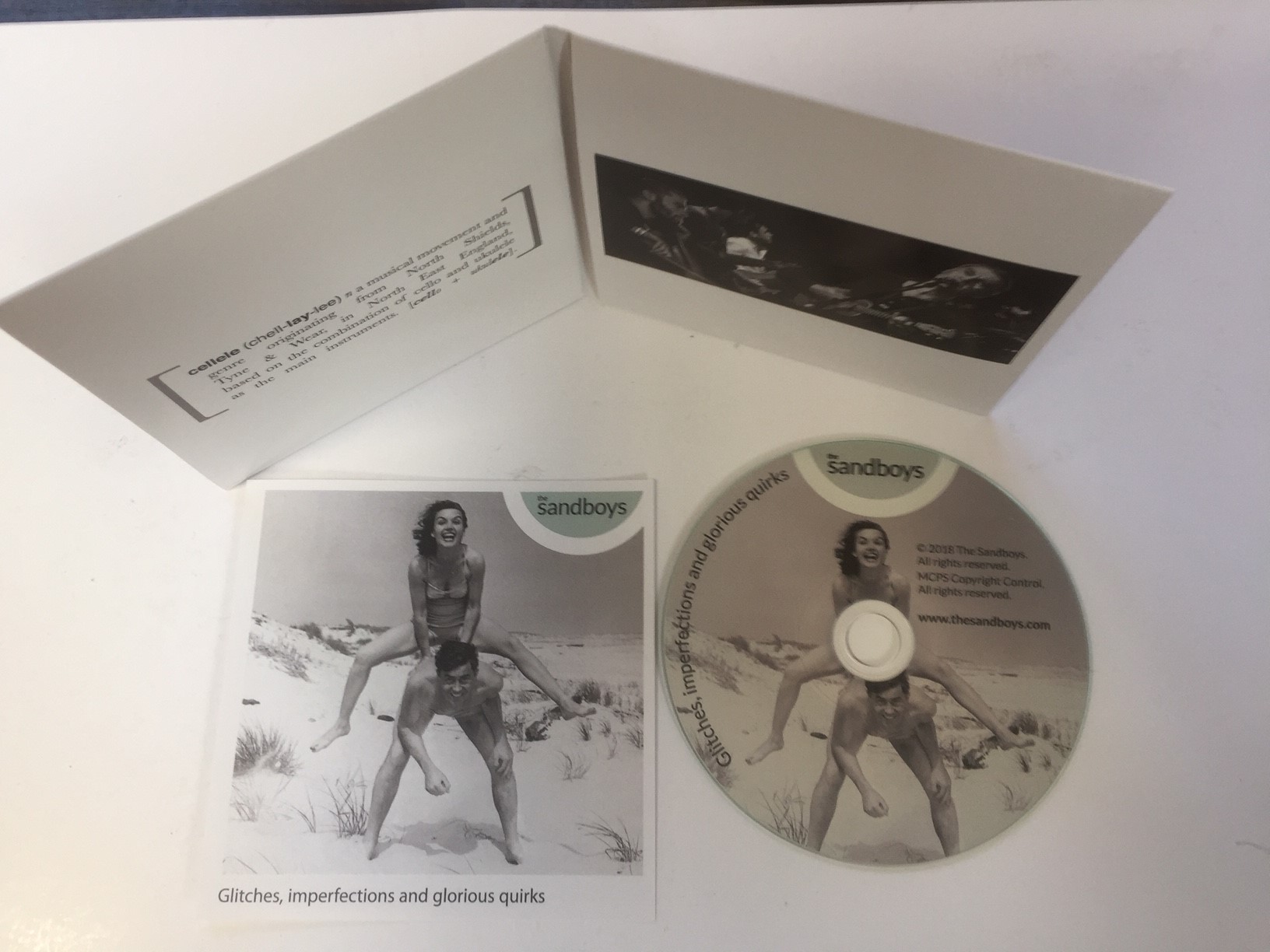
We are very keen to promote all our card products and are always trying to find ways of recycling wherever we can.
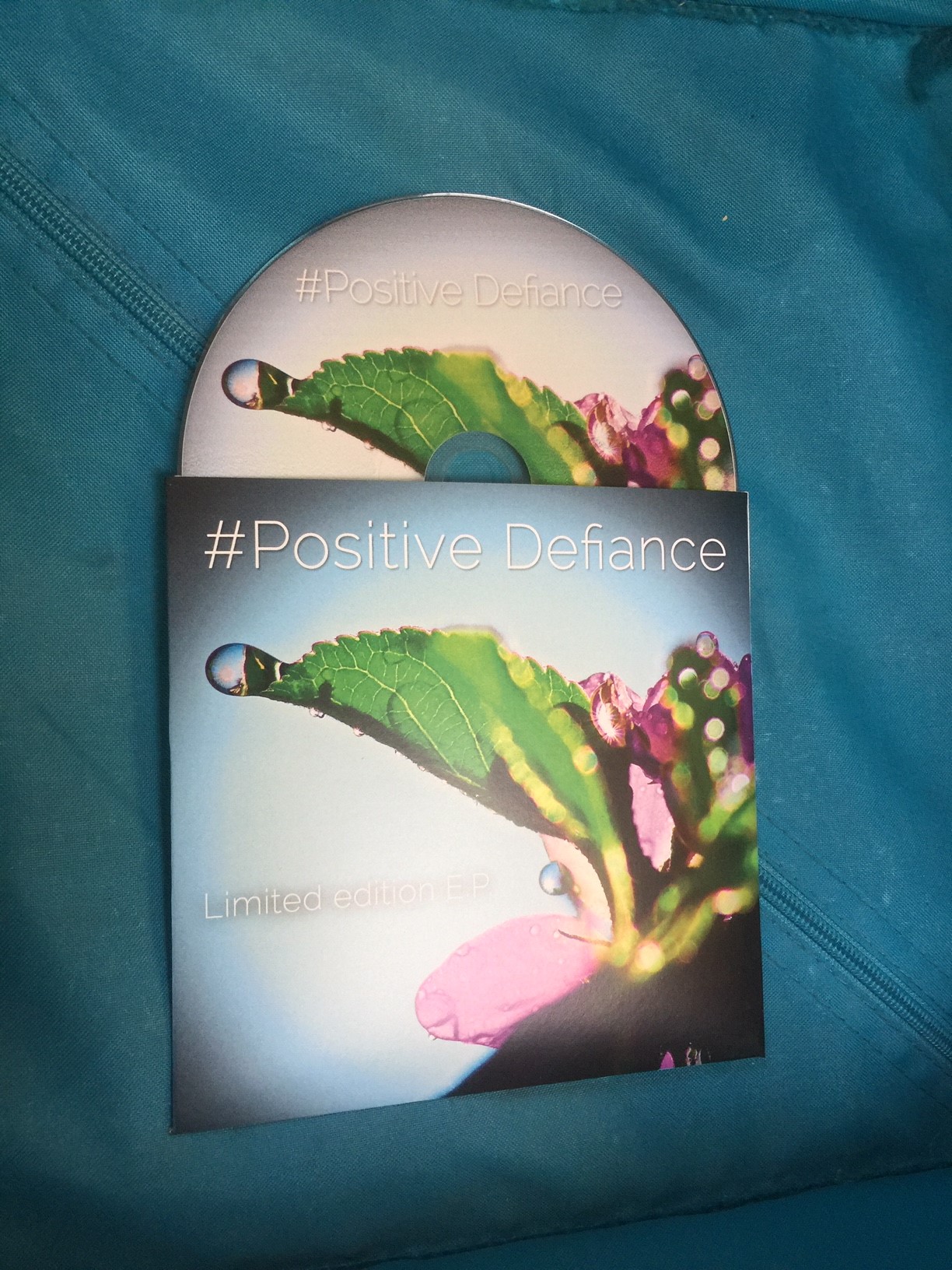
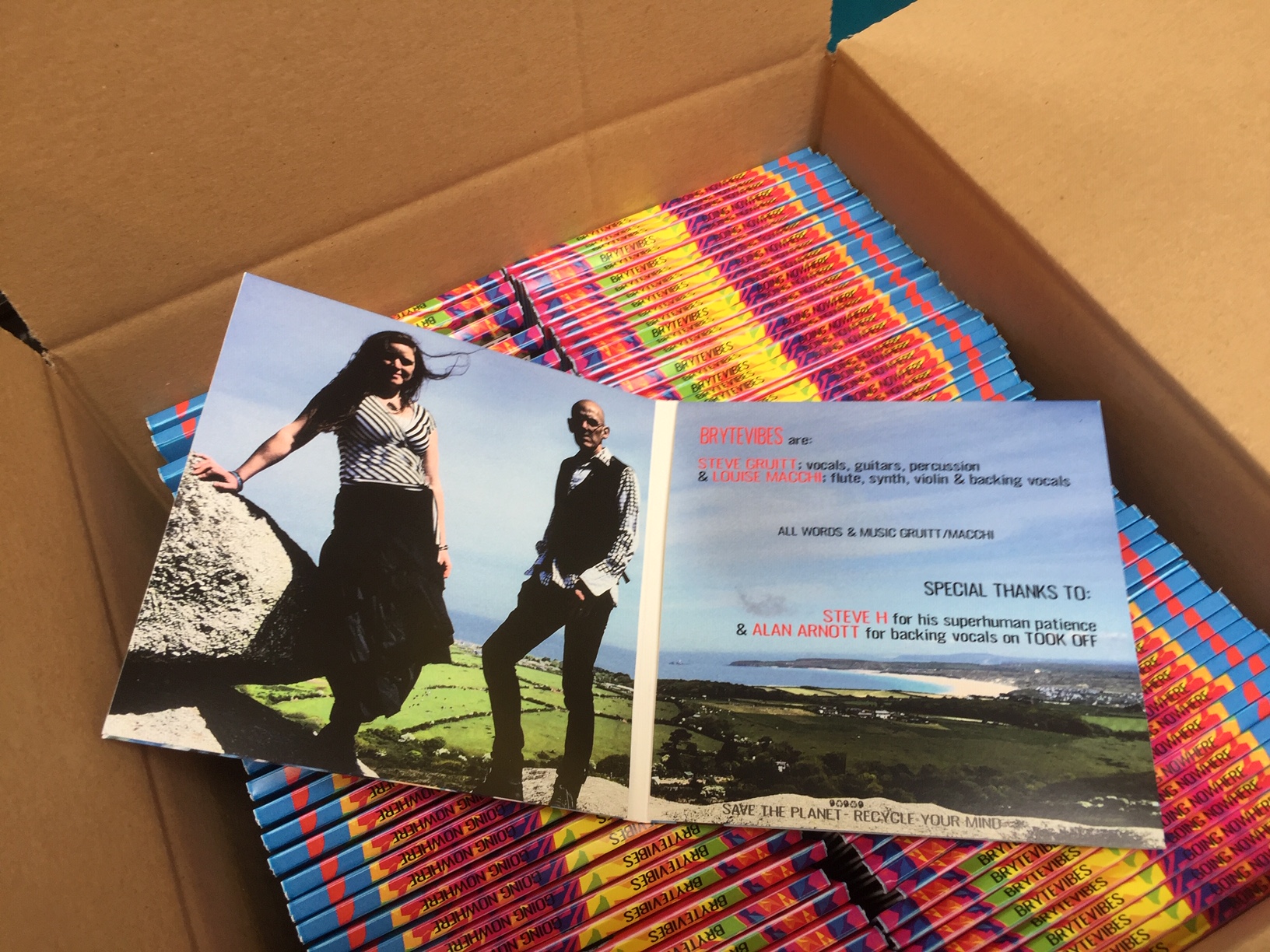
Our industry was traditionally very plastic orientated but over the years we have moved to create our own bespoke card products, having die cut templates made with UK printers in order to produce really high quality packaging for your CDs and DVDs . I think this is key, we haven’t brought in card products that are in any way inferior to the traditional plastic options.
Our card is responsibily sourced and FSC Certified as sustainable….and very high GSM…so the single card wallets, the lancing packs and double card wallets are all 350 gsm…lovely and thick and professional to the touch and print, as well as being very protective for your discs. They are all silk finish.

Tags: advice, CD Duplication, DVD Duplication, eco friendly, Recycling
Posted in Eco-friendly, general information, Helping You Decide, Recycling, The Environment | Comments Off on Eco-Friendly Products: 13th June 2022
Wednesday, March 9th, 2022
Revive Innovations are a start up company in Bristol .
They produce a new signature material called RE-CD which uses our waste discs to produce a new beautiful & robust material.
This is then manufactured using common workshop tools and processes into peices of furniture, jewellery and many other products. Production has low emissions and products are repairable and reprocessable.
The finish on products is sanded and polished to either a matt or gloss finish.
It is made from 100% recycled discs whether they are Cds, Dvds or Blu-Ray.
The physical properties of RE-CD is durable, hardwearing and temperature resistant.
The end product is a unique sustainable composite material.
Have a look …what they are doing there is amazing!
www.reviveinnovations.design
Tags: CD, DVD, eco friendly, Environment, Recycling, technology
Posted in general information, helping others, New Technology, Recycling, The Environment | Comments Off on Recycling Our Waste Discs: 9th March 2022
Monday, February 28th, 2022
We are delighted, in fact over the moon, to partner with Revive Innovations to recycle our waste discs.
For a long time we have struggled to find a viable long term way of recycling discs.
We build up unwanted discs when, for example a machine does a “bad” print or our burners reject a disc.
Over time these mount up and apart from a few small projects, we have never found anywhere to recycle these on a longterm basis.
More news next week on Revive Innovations and the new life breathed in to our rejected discs.
Tags: CD, DVD, eco friendly, Environment, help, Recycling
Posted in general information, helping others, New Technology, Recycling, The Environment | Comments Off on Recycling Our Waste Discs: 28th February 2022
Wednesday, December 8th, 2021
Chatting to a customer yesterday made me think about how much we are able to recycle and be eco-friendly, even in our industry which has traditionally been very plastic orientated.
We have promoted all our Eco-friendly products for some years and we only use FSC Certified and Sustainable Card and Paper.
In addition to that we recycle all incoming supplies boxes and use them to double box and protect our outgoing orders.
Our general ethos is to try to recycle anything we can …from bubble bags, & boxes to over-run discs / spoiled discs.
All of this makes sense to protect our environment and makes great business sense too .
Let me know if you have any other ideas that we can adopt ,which maybe i havent thought of !
Email me : una@duplicationcentre.co.uk
Tags: CD Duplication, DVD Duplication, eco friendly, Environment, Helpful HInts, Recycling
Posted in advice, general information, Helping You Decide, Recycling, The Environment | Comments Off on Recycling at Duplication Centre: 8th December 2021
Monday, October 4th, 2021
We have massively decreased the price of all our card products for two reasons:
To give you a boost to buy in your merchandise to sell at your gigs; it will make your money go a bit further!
To promote the use of eco-friendly card products in our industry, which is historically very plastic orientated.
The price drop includes single card wallets, double card wallets, lancing packs and digipaks.
Tags: CD Duplication, eco friendly, Environment, Helpful HInts, live music, selling
Posted in Customers, Design, general information, helping you, prices, Selling Your Music, The Environment | Comments Off on Price Drop on our Card Products: 4th October 2021
Thursday, September 2nd, 2021
Fans love to have something tangible to take home after a live music event.
Make some cash and sell your Cd’s after a gig; dont make them too expensive and you’ll sell more.

This is the time to sell!
We have reduced the prices on all our card products which are the most popular at the moment. They are nice and compact and unbreakable, so great for taking to gigs.
You’ll find the prices by using the link below:
https://www.duplicationcentre.co.uk/prices.html
Tags: advice, CD Duplication, customers, duplication, eco friendly, Helpful HInts, live music, selling
Posted in advice, Customers, general information, helping you, Helping You Decide, live music, Make some money, Secrets to selling, Selling Your Music, The Environment | Comments Off on Make Some Money: 2nd September 2021
Tuesday, August 24th, 2021
I thought it was worth reminding our customers that at Duplication Centre we also specialise in Waterproof Print.
https://www.waterproofprint.com
Using our State of the Art Richo Pro C7100sx we produce waterproof print in 300 gsm and 170 gsm for outdoor pursuits,outdoor cafes & restaurants, aqua sport and other marine needs, maps, walking & hiking, leaflets & flyers….and the occasional poster for a lost cat!!!
I have to add in here, post Covid pandemic, that our waterproof stock is perfect for any use that you have where you need to constanty wipe or clean the paper.
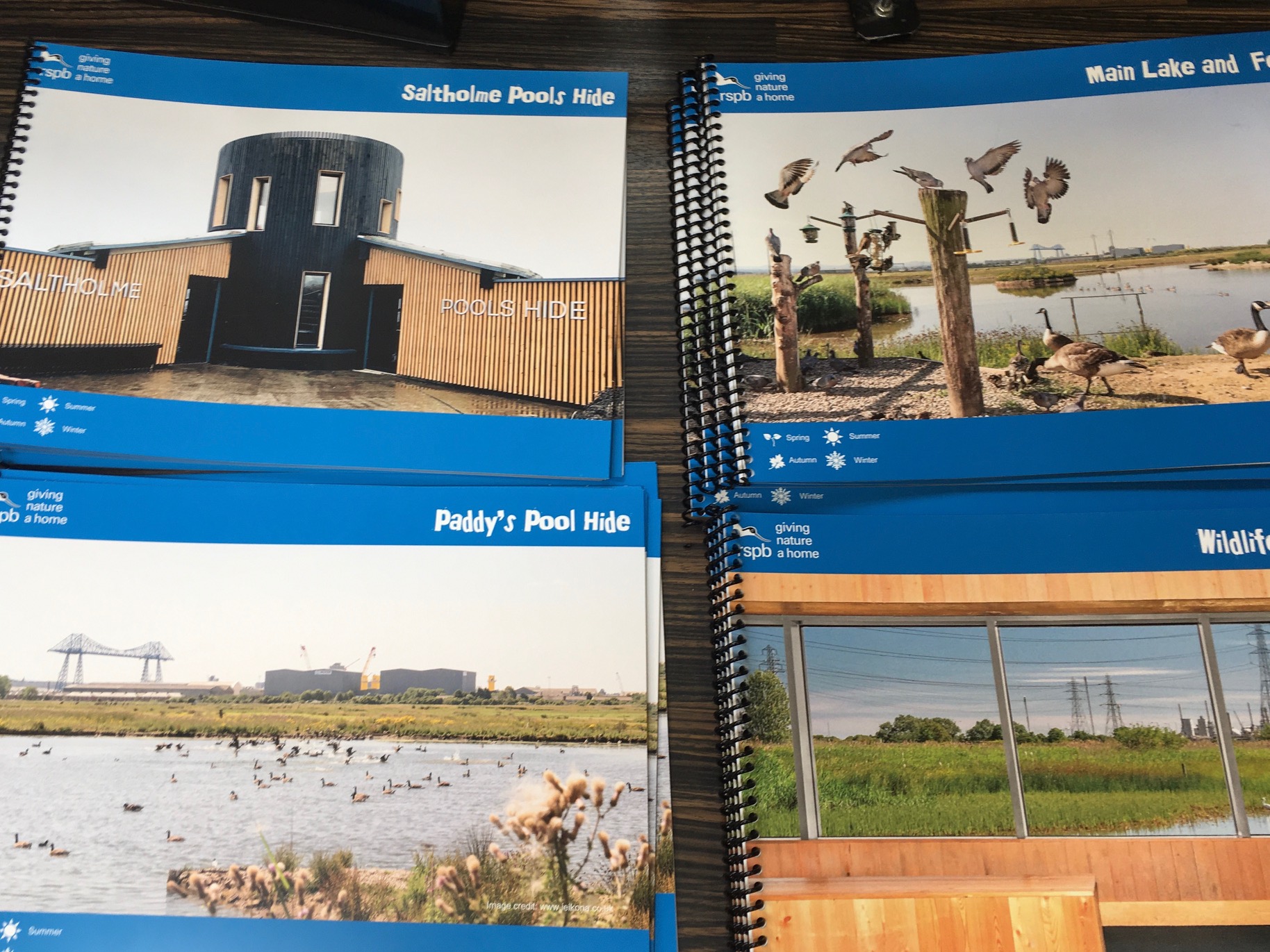
We are proud to say that among our customers we have the Royal Society for the Protection of Birds who use our waterproof books in their bird hides and pond dipping areas where wipeable paper is essential.
Tags: advice, eco friendly, Environment, help, Helpful HInts, news
Posted in advice, Customers, general information, helping you, Interest, Lockdown, The Environment | Comments Off on We Offer Waterproof Printing: 24th August 2021
Thursday, July 22nd, 2021
We are happily welcoming the reopening of many live music venues and equally happy that this is bringing old and new customer’s back to us.
Time to stock up on your CDS & DVDs for sale at your gigs.
To help make a little extra as well, we have massively reduced the prices of our card products; you won’t get them cheaper anywhere else and we pride ourselves on only using 350gsm FSC Certified and Sustainable Card.
We don’t cut any corners on quality to give you a really professional product for sale.
Contact us if you need any help or want us to post you a sample of any of our products for you to see.

Tags: advice, CD Duplication, customers, DVD Duplication, eco friendly, help, live music, Music, selling
Posted in advice, Customers, general information, helping you, Helping You Decide, live music, Make some money, music, prices, The Environment | Comments Off on Live Music is Back: 22nd July 2021
Friday, July 9th, 2021
This is just a reminder that we have massively dropped the prices on all our Card Products.
As venues start to reopen we want to give you a helping hand to stock up on your merchandise, and at the same time promote our Eco-Friendly Card Products.
These include:
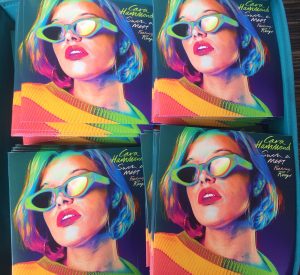
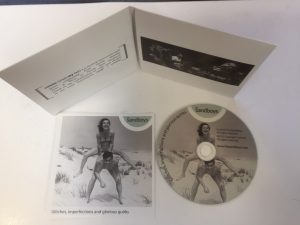
Single Card Wallets
Double Card Wallets
4 Page Lancing Packs
4 Page Digi-Paks
Check out these products and prices on our instant price calculator via this link or by returning to the home page :
https://www.duplicationcentre.co.uk/prices.html
We can’t be beaten on Quality or Price; all our card is Premium 300/350 gsm Pro Stock & is Die Cut for an immaculate finish.
Tags: advice, CD Duplication, DVD Duplication, eco friendly, help, live music, Music, prices, printing
Posted in Customers, general information, helping you, Interest, music, prices, Selling Your Music, special offers, The Environment | Comments Off on Eco-Friendly Price Drop: 9th July 2021